The evolution of casinos a journey through gaming history
Origins of Gambling: The Ancient World
The origins of gambling can be traced back thousands of years to ancient civilizations. Archaeological findings reveal that games of chance were popular in societies like Mesopotamia and Ancient China. Dice made from bones and various gaming pieces were used in rituals and for entertainment. These early forms of gambling laid the groundwork for more structured gaming establishments, such as those seen today. For those interested in engaging with contemporary gaming options, 1xbet somalia is an example of a platform that caters to modern preferences.
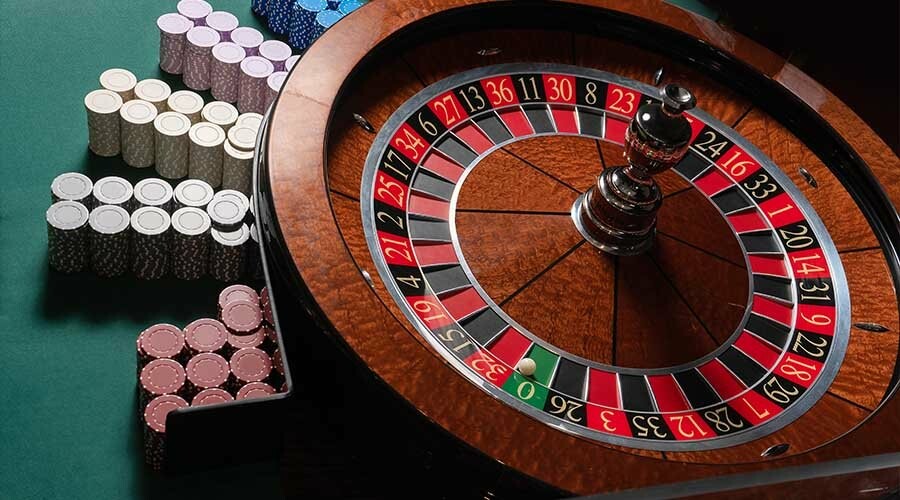
As civilizations evolved, so did their approach to gambling. In Ancient Rome, for instance, betting on gladiatorial contests became a popular pastime. This period saw the establishment of rules and regulations around betting, which reflected the growing social acceptance of gambling as a form of entertainment. These early gambling practices contributed to the development of what we now recognize as casinos.
The Birth of Modern Casinos in Europe
The modern casino as we know it began to take shape in the 17th century in Europe, particularly in Italy. The term “casa,” meaning house in Italian, referred to establishments where patrons could gamble. The Ridotto in Venice, established in 1638, is often credited as one of the first public gambling houses, offering a range of games to a sophisticated clientele.
As gaming houses gained popularity across Europe, various games evolved. The introduction of roulette and baccarat created new ways for patrons to engage in gambling. The lavish surroundings of these casinos attracted the elite, cementing the idea of casinos as luxurious destinations rather than mere places to gamble.
The American Casino Boom
The expansion of casinos took a significant turn in the United States during the 20th century. The legalization of gambling in Nevada in 1931 marked a pivotal moment, giving rise to Las Vegas as the world’s gambling capital. This era saw the development of iconic casinos like The Flamingo and The Sands, which featured extravagant shows and luxurious accommodations.
The casino boom continued into the 1970s and 1980s, as other states began to recognize the economic potential of legalized gambling. Atlantic City emerged as another hotspot, attracting millions of visitors with its vibrant boardwalk and renowned casinos. This expansion highlighted how gambling had transformed from a taboo activity into a major tourist attraction, reshaping the economies of many regions.
The Digital Revolution and Online Gambling
The late 20th and early 21st centuries introduced a new chapter in the evolution of casinos with the rise of the internet. Online casinos emerged, providing a platform for players to enjoy their favorite games from the comfort of their homes. This shift opened up the gambling world to a broader audience, removing geographical barriers and increasing accessibility.
Online gambling has also brought innovations such as live dealer games and mobile gaming apps, further enhancing the user experience. As technology continues to evolve, the online casino industry is likely to adapt, with virtual reality and blockchain technology promising to revolutionize how players engage with casinos in the future.
Exploring Modern Casino Culture
Today’s casinos are not just about gaming; they are entertainment complexes that offer a variety of experiences. Many modern casinos feature world-class dining, entertainment shows, and shopping, transforming them into comprehensive leisure destinations. This evolution reflects the changing attitudes towards gambling, with a focus on a holistic experience rather than solely gaming.
Furthermore, the cultural significance of casinos continues to grow. They are often depicted in films and literature, symbolizing wealth, excitement, and the thrill of risk. As society continues to embrace gambling, casinos will likely evolve further, adapting to new cultural trends while preserving their core essence as places of chance and entertainment.