Understanding psychological triggers that drive gambling behavior in casinos
The Role of Emotions in Gambling
Emotions play a significant role in gambling behavior. Many players are driven by feelings of excitement, anticipation, and even stress relief. The thrill of potentially winning can trigger a rush of adrenaline, creating a euphoric state that keeps players engaged. This emotional high often leads to increased betting, as individuals chase the feelings associated with wins, sometimes ignoring the risks involved. Engaging with best online pokies nz can also enhance the excitement while introducing players to new opportunities.
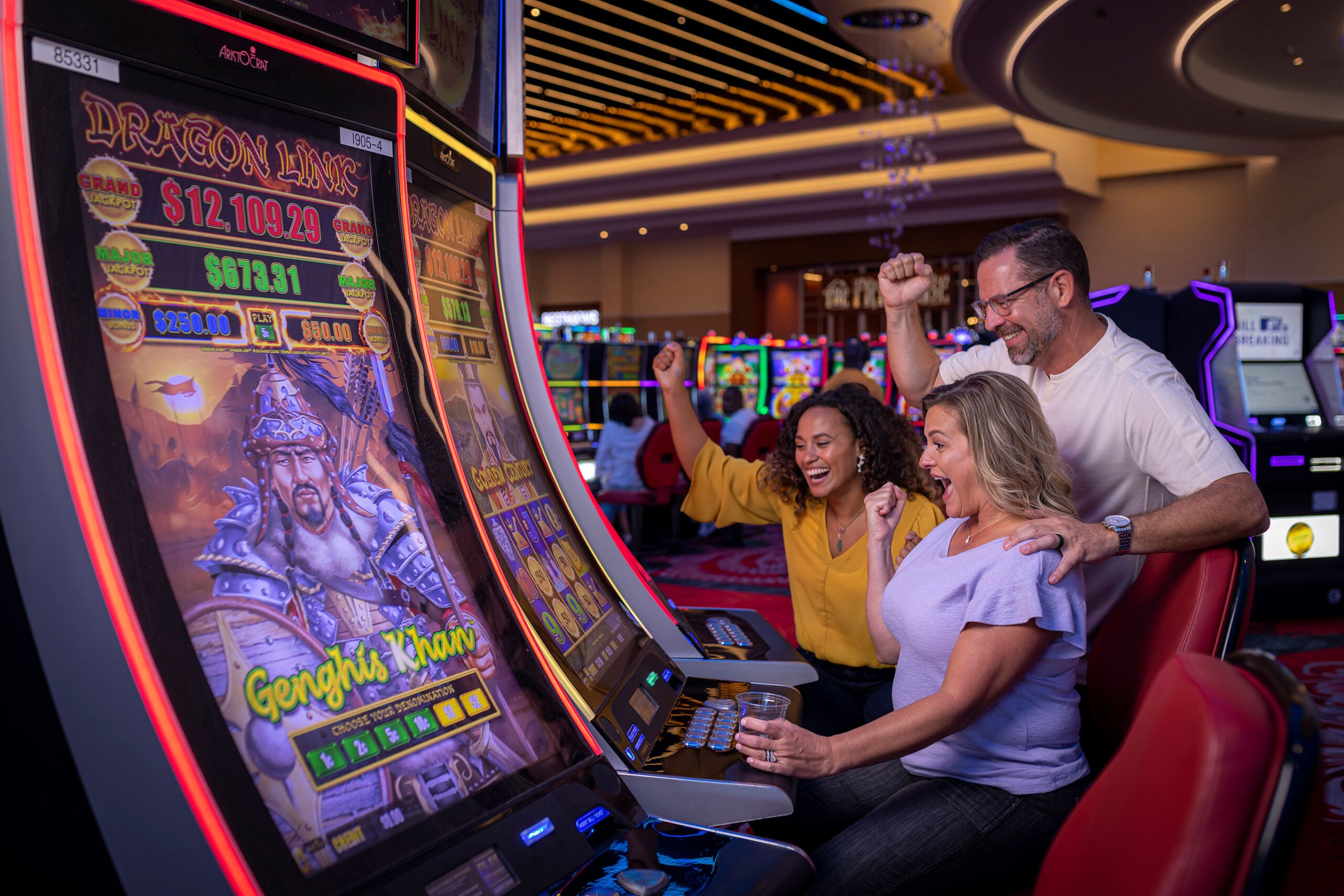
Moreover, negative emotions can also fuel gambling behavior. People may turn to casinos as an escape from feelings of sadness, loneliness, or anxiety. This reliance on gambling to cope with emotional distress can lead to problematic gambling habits, as players seek refuge in the exhilarating yet risky environment of the casino.
The Influence of Environment
The physical environment of a casino is meticulously designed to enhance the gambling experience. Bright lights, vibrant colors, and energetic sounds create a stimulating atmosphere that can heighten excitement. This sensory overload is a psychological trigger that encourages longer stays and increased spending, as players become immersed in the environment and lose track of time.
Additionally, the layout of casinos often fosters a sense of community among gamblers. The presence of others, along with shared excitement during games, can reinforce a player’s desire to participate. This social aspect can be compelling, making individuals feel more connected and engaged, which can lead to more frequent visits and higher stakes.
The Power of Rewards and Incentives
Casinos utilize various reward systems to stimulate continued play. These can include loyalty programs, bonus offers, and jackpot prizes that create a sense of urgency and excitement. The anticipation of a reward activates the brain’s reward center, releasing dopamine and reinforcing the desire to gamble. Players may find themselves compelled to keep playing in hopes of winning a significant prize.
Moreover, near-miss experiences can also be a powerful trigger. When players come close to winning, it can create a false sense of hope and encourage them to keep playing. This psychological phenomenon can lead to a cycle of repeated gambling, as players are motivated by the potential for future wins that seem just out of reach.
The Impact of Cognitive Biases
Cognitive biases significantly influence gambling behavior. One common bias is the illusion of control, where players believe they can influence the outcome of a game, even in games of chance. This misconception can lead to overconfidence and increased betting, as players misjudge their likelihood of winning.
Another cognitive bias is confirmation bias, where individuals seek information that confirms their existing beliefs about gambling. For example, if someone believes they are lucky, they may focus on their wins while ignoring losses. This skewed perception can perpetuate gambling behavior, making it challenging for individuals to recognize when they should stop.

Exploring Responsible Gambling Resources
Understanding the psychological triggers that drive gambling behavior is essential for promoting responsible gambling. Players need to be aware of the emotional, environmental, and cognitive factors that can influence their decisions in a casino setting. By recognizing these triggers, individuals can make more informed choices and develop healthier gambling habits.
Resources are available for those looking to gamble responsibly. Many casinos provide information on setting limits, recognizing problem gambling signs, and accessing support services. By prioritizing responsible gaming, players can enjoy the thrill of the casino while minimizing the risks associated with gambling behavior.